
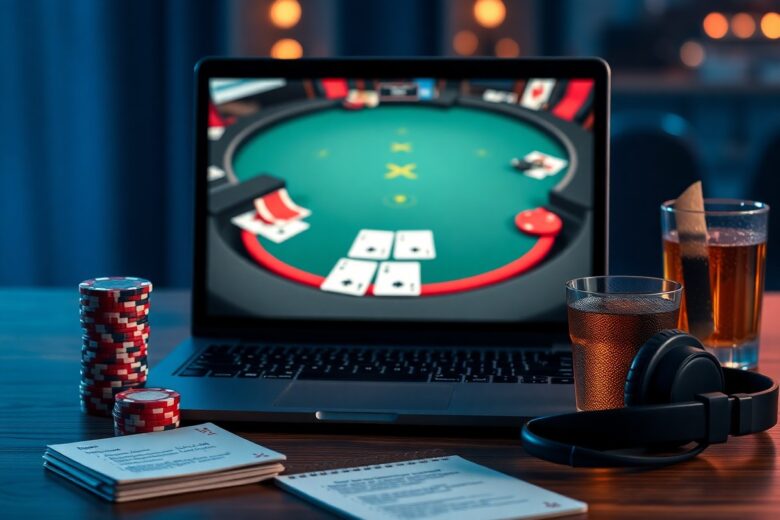
Poker etiquette is key for fostering a positive atmosphere in online casinos. Respecting your opponents and following proper game protocols enhances the experience for everyone involved. Avoid excessive chatting during crucial moments, and always keep your temper in check, as poor sportsmanship can lead to negative consequences. Being mindful of betting behavior and table rules not only demonstrates your professionalism but also encourages a fair and enjoyable game for all participants.
Understanding Online Poker Etiquette
Mastering online poker etiquette is vital for enhancing your gaming experience and promoting a respectful environment. Players should be aware of their behavior, from chat interactions to decision-making speed, to create a positive atmosphere for everyone at the table.
Types of Online Poker Etiquette
Familiarizing yourself with different types of etiquette can significantly improve gameplay. Key areas to focus on include:
- Table Talk: Engaging with other players appropriately.
- Timing: Making decisions in a timely manner.
- Chip Etiquette: How to manage and display your chips.
- Chat Behavior: Keeping conversations respectful and relevant.
- Game Rules: Being aware of and adhering to specific room rules.
Assume that your actions entirely shape the experience of your fellow players; thus, awareness and consideration are key.
| Aspect | Details |
| Table Talk | Engage positively without giving away your strategy. |
| Timing | Don’t delay the game unnecessarily; act within a reasonable timeframe. |
| Chip Management | Stack chips neatly and avoid excessive clattering. |
| Chat Conduct | Stay polite; avoid insults or negative comments. |
| Rule Adherence | Follow the specific guidelines of each room you enter. |
Factors to Consider When Playing Online
Understanding the factors influencing your online poker experience enhances both your enjoyment and success rate. Important aspects to consider when you join a virtual table include:
- Game Selection: Choose formats suited to your skill level.
- Player Tendencies: Observe the playing style of opponents.
- Software Functionality: Familiarize yourself with platform tools.
- Connection Stability: Ensure a reliable internet connection to avoid disruptions.
- Time Management: Set limits on how long you’ll play.
After evaluating these factors, your strategic decisions and overall enjoyment can vastly improve.
Diving deeper into these elements reveals their impact on gameplay. For instance, selecting appropriate games not only matches your skills but also enhances your competitive edge. Understanding your opponents provides critical insights; observing betting patterns or reactions can reveal their strategies. Additionally, mastering the software tools available, from hand histories to chat features, gives you an advantage. Connection quality is equally vital, as interruptions can derail your focus and decision-making. Lastly, managing your time effectively can keep you sharp and prevent burnout, ensuring your experience remains enjoyable instead of exhausting.
- Game Dynamics: Adapt your strategies based on opponent behaviors.
- Software Tools: Utilize analytics for informed decisions.
- Disruption Management: Minimize distractions to maintain focus.
- Time Investment: Assess how many hours enhance your skills.
- Self-Assessment: Regularly evaluate your performance.
After assessing these factors, your gameplay can evolve significantly, fostering both victory and personal growth in the online poker arena.
Essential Tips for Online Poker Etiquette
Adhering to proper online poker etiquette ensures a pleasant experience for all participants. Key points to consider include:
- Respecting game pace – Avoid unnecessary delays.
- Avoiding aggressive behavior – Maintain a friendly demeanor.
- Using chat functions wisely – Keep communication constructive.
- Being mindful of your presence – Don’t dominate the table.
- Practicing good sportsmanship – Congratulate winners and support others.
After focusing on these vitals, players can cultivate a more enjoyable environment.
Communicating with Other Players
Effective communication enhances the online poker experience. Use the chat feature sparingly to share insights or congratulate players, but avoid excessive chatter that disrupts the game. Maintain courtesy in your interactions, steering clear of offensive language or condescending remarks. Consider that many players are there to focus, and brief, respectful messages contribute to a more enjoyable atmosphere.
Managing Your Behavior at the Table
Behavior at the poker table directly impacts the game’s ambiance. Players should always act in a calm and composed manner, even when faced with frustrating situations. Keeping a level head not only reflects personal integrity but also encourages a positive environment for others. By avoiding tilt, which can lead to rash decisions, and being gracious in both victory and defeat, a player fosters goodwill at the table.
Furthermore, it’s vital to set a personal standard for behavior. This includes refraining from engaging in heated disputes or excessive banter during play. Emotional responses can cloud judgment, leading to poor decisions and a negative atmosphere. Staying focused and respectful ultimately benefits everyone involved, maintaining a healthy competitive spirit that enhances the overall game.
Step-by-Step Guide to Maintaining Etiquette
| Action | Details |
|---|---|
| Setting Up Your Online Profile | Choose a username that reflects professionalism and avoid using offensive or inappropriate language. |
| Properly Joining and Leaving Tables | Enter tables without disrupting ongoing games and leave gracefully when you’re finished playing. |
Setting Up Your Online Profile
Creating an online profile is your first chance to make a positive impression. Use a respectful username that doesn’t offend other players. Avoid numbers and random characters; instead, choose something memorable but appropriate. Fill out personal details thoughtfully and never overshare sensitive information for your safety and the comfort of others.
Properly Joining and Leaving Tables
Joining and leaving poker tables with respect shows awareness of the game’s flow. When entering, wait for a sufficient moment in play to avoid distracting others. It’s wise to observe for a few hands before diving in, allowing you to gauge the table dynamics. When you decide to leave, utilize the available options to exit cleanly and inform others if necessary-this gesture maintains a positive environment and minimizes disruption.
Expanding on how to join and leave tables, it’s imperative to acknowledge the in-game experience of others. Abruptly entering or exiting can lead to confusion. To enhance this process, wait for the hand’s completion, and use a friendly acknowledgment to signal your presence. Similarly, if you’re exiting mid-game, consider notifying players through chat or an emoji to denote your departure instead of simply logging off. This attention to detail reinforces mutual respect in online play.
Pros and Cons of Good Poker Etiquette
Pros and Cons of Good Poker Etiquette
| Pros | Cons |
|---|---|
| Enhances overall gaming experience | May feel overly formal for some players |
| Promotes respect and friendliness | Requires player awareness and effort |
| Encourages fair play | Possible confrontation with rude players |
| Builds positive player reputation | Can limit personal expression |
| Fosters a community atmosphere | Time pressure in fast games |
Benefits for Players
Good poker etiquette significantly benefits players by creating a more enjoyable and respectful environment. Enhanced interaction leads to stronger connections among participants, which can translate into better gameplay dynamics. It establishes a standard of conduct, allowing players to focus on strategy and enjoyment rather than potential conflicts. This community-driven approach often results in increased player retention and satisfaction.
Drawbacks of Ignoring Etiquette
Ignoring poker etiquette can lead to tension among players, disrupting the gaming experience. When players act rudely or violate unwritten rules, it creates an uncomfortable atmosphere, discouraging engagement and cooperation. This disregard for etiquette can also result in reputation damage, as consistent offenders may find themselves excluded from games or blacklisted in the community.
Ignoring etiquette undermines the integrity of the game, causing frustration and dissatisfaction for many players. Missteps like slow play, abusive chat, or excessive distractions can lead to disputes and a negative environment. Players quickly become hesitant to interact with those who disregard the community’s standards, leading to isolation. Over time, this behavior can diminish the overall quality of the poker experience for everyone involved.
Navigating Common Situations in Online Play
Playing poker online often leads to various situations that require players to apply etiquette properly. From handling disagreements to addressing gameplay discrepancies, knowing how to react can significantly impact the gaming experience for everyone involved. Navigating these circumstances calmly and respectfully ensures a more enjoyable atmosphere, whether in a cash game or a tournament setting.
Handling Disputes and Conflicts
In the event of a dispute, it’s imperative to maintain composure and communicate clearly. Utilize the chat function to express your concerns or reach out to the support team for clarification. Approaching the matter factually, rather than emotionally, increases the likelihood of a resolution. Always follow the platform’s guidelines for reporting issues, as maintaining a record can help in facilitating a smoother conflict resolution process.
Dealing with Slow Play and Collusion
Addressing slow play or potential collusion demands vigilance and a proactive approach. If a player consistently takes excessive time to act, an objective message in the chat can prompt them to speed up. For collusion, gather evidence of suspicious behavior and report it to the site operators. Protecting the integrity of the game is vital for everyone’s enjoyment.
Slow play can impact the overall pace of the game, frustrating other players. A player taking an unreasonable amount of time may be perceived as intentionally stalling. In extreme cases, using the site’s reporting tools can lead to appropriate action against offenders. Regarding collusion, it’s imperative to watch for unusual betting patterns between players, such as constant check-raising or chip-sharing, which undermine the fairness of the game. Gathering corroborating information from other players can reinforce complaints, ensuring that the online poker ecosystem remains fair and competitive for all.
Adaptations for Mobile and Live Streaming
As poker continues to evolve, players must adapt to mobile and live streaming formats that bring unique challenges and opportunities. In mobile gaming, the touch interface can lead to faster decision-making, which requires a heightened awareness of etiquette to prevent hasty actions that might annoy opponents. In live streaming, the added visibility of players’ actions necessitates a mindful approach, ensuring that interactions remain professional and engaging for both the audience and fellow players.
Unique Etiquette for Mobile Platforms
When playing poker on mobile platforms, players should be mindful of their surroundings and notifications that may distract them or their opponents. Turning off notifications can help maintain focus and prevent interruptions, while also ensuring clear communication through the chat features without excessive emojis or clutter. Staying aware of the limited screen space encourages concise and relevant discussions, fostering a respectful gaming environment.
Best Practices for Live Streaming Poker
Engagement and respect are key when participating in live streaming poker. Players should address the audience while remaining attentive to the game, striking a balance between entertainment and gameplay. Respectful language is critical; avoiding foul language or inappropriate comments enhances the experience for viewers and fellow players alike. Additionally, interfacing with the chat in a thoughtful manner adds to the communal aspect of live poker.
Maintaining decorum in live streaming sessions goes beyond just the verbal commentary. Players should also be aware of their body language and reactions since they are visible to an audience. Keeping the focus on the game, avoiding excessive celebrations or frustrations, and being courteous to opponents helps create a positive atmosphere. Engaging directly with viewers by acknowledging their comments and questions, without detracting from the gameplay, enriches the overall experience for everyone involved in the session.
To wrap up
Effective poker etiquette in online casinos enhances the gaming experience for all participants. It includes respecting opponents, adhering to game rules, and maintaining a respectful tone in chat. Players should avoid excessive distractions and practice good bankroll management. Additionally, familiarity with the specific platform’s rules and nuances is vital for smooth gameplay. By embodying sportsmanship and respect, players not only improve their own experience but also contribute to a positive environment for others at the virtual table.
FAQ
Q: What should I do if I experience technical issues during a game?
A: If you encounter technical issues, immediately notify the poker site’s customer support. Most platforms have a chat or support option. Avoid making decisions while disconnected; the game will typically pause for you, allowing you to rejoin without penalties.
Q: How should I behave when playing against opponents of varying skill levels?
A: Treat all opponents with respect, regardless of their skill level. Avoid trash-talking or condescending remarks, as this disrupts the gaming atmosphere. Instead, maintain a friendly demeanor and focus on your own play without engaging in negative interactions.
Q: Is it acceptable to multitask while playing online poker?
A: While it is technically possible to multitask, it is advisable to stay focused on the game. Engaging in other activities may lead to missed opportunities or poor decision-making. Prioritize your attention on the game to enhance your performance and respect your opponents.