
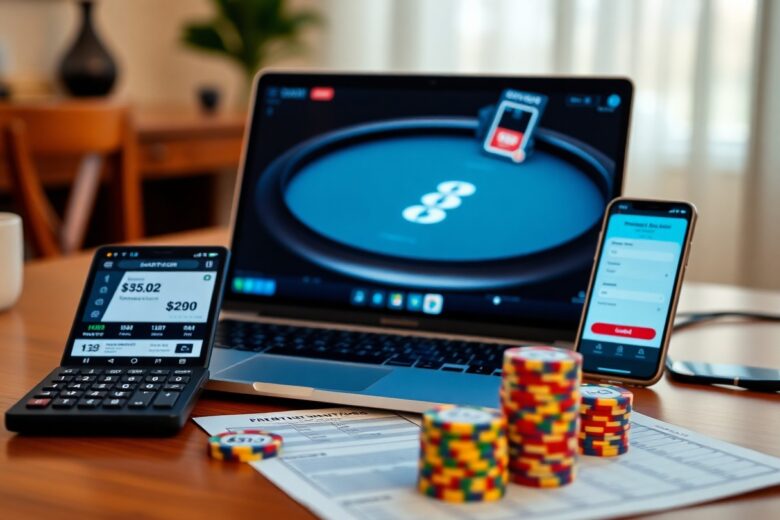
Just follow clear, practical steps to enjoy online blackjack while protecting your finances: set firm time and money limits, use budgeted wagers and only play with disposable entertainment funds, and choose reputable sites with built-in responsible gaming tools. Be aware of the risk of overspending and gambling harm, monitor your behavior, and use self-exclusion or seek support if patterns change – this approach maximizes fun and minimizes harm.
Understanding Responsible Gaming
Effective responsible gaming combines practical controls and behavioral checks to keep play recreational; studies estimate around 0.5-1% of adults show problem-gambling behavior, so safeguards matter. Use concrete tools – deposit limits, session timers, self-exclusion – set clear budgets (daily/weekly/monthly), and track playtime to prevent a single losing streak from becoming a major financial setback.
Definition of Responsible Gaming
Responsible gaming means actively managing bankroll, time and decision-making so gambling stays entertainment: pre-set budgets, sticking to bet-sizing rules, and using platform protections like deposit caps, reality checks and self-exclusion to reduce harm and maintain control.
Importance for Online Blackjack Players
Blackjack’s quick hands and low house edge can extend sessions, increasing exposure to variance and losses; applying a 30-60 minute session cap, firm deposit limits and disciplined bet sizing cuts spending risk and preserves bankroll for strategic play.
Operators in regulated markets often provide tools that enforce limits, which players should use: convert your bankroll into unit-size bets (for example, 1-2% per hand), stop after a set number of losing sessions, and enable self-exclusion if play becomes uncontrollable to protect finances and mental health.
Types of Online Blackjack Games
| Classic Blackjack | Standard rules, typically 1-8 decks, dealer often stands on soft 17; basic strategy can reduce house edge to about 0.5%, and tables usually pay 3:2 for a natural. |
| Blackjack Switch | Players play two hands and may swap the second cards; rules like dealer pushes on 22 balance the advantage, creating higher variance despite extra play options. |
| Spanish 21 | Uses 48-card decks (tens removed), offers bonus payouts and liberal doubling/surrender rules; skilled play can exploit those bonuses, but house edge depends on specific rule set. |
| Double Exposure | Both dealer cards face up, but ties go to the dealer and naturals typically pay 1:1, which raises the house edge versus classic tables-watch for these trade-offs. |
| Live Dealer / Novel Variants | Streaming dealers and gimmicks like Free Bet or side bets change volatility; avoid tables that pay 6:5 for a natural because that increases the house edge substantially. |
- online blackjack
- classic blackjack
- blackjack variants
- house edge
- live dealer
Classic Blackjack
Tables with standard rules-typically 3:2 payout for naturals-use 1-8 decks; following basic strategy can cut house edge to roughly 0.5%, while rules such as dealer hitting on soft 17 or limited doubling increase it, so choose games where splits, doubles, and surrender are generous to keep variance and losses lower.
Variants of Blackjack
Variants change one or more rules: Spanish 21 removes tens but adds bonuses, Blackjack Switch allows swapping cards, and Double Exposure reveals both dealer cards but favors dealer on ties; these rule shifts can swing house edge by over a full percentage point depending on payouts and deck count.
Many players gravitate to variants for novelty and higher bonus payouts-examples include Spanish 21 bonus pays, Blackjack Switch strategic swaps, and live-dealer side bets that boost entertainment but also volatility; compare specific rule tables (deck count, payout for natural, dealer on soft 17, surrender rules) and calculate expected loss per 100 hands-often shown as house edge percentages-so you can judge risk. After selecting a variant, set tighter bet limits when rules increase the house edge and favor tables with 3:2 naturals and liberal player options to preserve your bankroll.
Tips for Responsible Gaming
- Responsible Gaming
- Online Blackjack
- Set Limits
- Time Management
- Deposit Limits
- Self-Exclusion
- Bankroll Management
Apply concrete rules: cap losses to a fixed amount or a percentage of income (commonly 1-5% monthly), enable site deposit limits, and flag behaviors like chasing losses or increasing stakes after a loss; these patterns often precede bigger losses. Use cooling-off periods and self-exclusion if limits are breached, and log wins/losses for transparency.
Set Limits on Spending
Allocate a dedicated bankroll for entertainment-for example, $50-$200 weekly or 1%-5% of monthly net income-and never transfer funds from bills or savings. Configure site deposit and loss limits, split larger bankrolls into session buckets, and avoid refunds or instant top-ups when a session goes negative to prevent chasing losses.
Time Management Strategies
Restrict sessions to 30-60 minutes and take planned breaks of 10-15 minutes; fatigue after about an hour lowers decision quality and raises impulsive bets. Set alarms, use site reality checks, and schedule play around obligations-limiting daily play to under 2 hours reduces risk and preserves judgment during hands.
The most practical approach is to combine a timed routine (for example, 45 minutes play / 15 minutes break or Pomodoro-style 25/5), enforce a daily cap such as 60 minutes, and use phone timers or site timers; track session outcomes and adjust limits when losses exceed your pre-set thresholds.
Step-by-Step Guide to Enjoying Online Blackjack
Start each session with clear numeric rules: set a session bankroll (e.g., $30-$100), a time cap (30-60 minutes), and a per-hand cap (commonly 1-2% of total bankroll). Below is a compact checklist of practical steps and exact actions to follow during play.
| Step | Action |
|---|---|
| Choose Game | Select single- or double-deck when available, prefer tables that pay 3:2 (not 6:5); house edge varies 0.5%-1.5% depending on rules. |
| Use Basic Strategy | Apply a basic strategy chart to cut house edge to ~0.5%; practice with free-play or trainer mode first. |
| Manage Bankroll | Bet ≤1-2% of your bankroll per hand, set session loss limit and stop-win target (e.g., stop after +50% or −25% of session bankroll). |
| Time & Session Controls | Use 30-60 minute sessions, set automatic breaks, and avoid play after 3 consecutive losses to prevent chasing. |
| Account Safety | Pick licensed casinos (UKGC, MGA), check RTP and payout speeds (typically 24-72 hrs), and enable deposit/self-exclusion tools. |
Choosing a Reputable Casino
Verify licensing (UKGC, MGA, or equivalent) and that the site publishes audited RTP figures-blackjack RTP often exceeds 99% with correct rules; check payout times (24-72 hours), SSL encryption, independent RNG audits, and user reviews that report consistent withdrawals and responsive support.
Setting Up a Gaming Budget
Allocate a monthly entertainment amount (example: $50-$200) and divide into session budgets (e.g., $20-$40); cap individual bets at 1-2% of total bankroll, preset deposit limits, and enforce a hard stop-loss and stop-win for each session-do not chase losses.
For more detail on budgets: if your monthly limit is $200, split into five $40 sessions and cap single bets at 2% ($4) so you get ~10-20 meaningful hands per session; track spending in a simple spreadsheet or app, set weekly deposit ceilings, and use the casino’s timeout/self-exclusion tools when thresholds are hit to protect longer-term finances.
Factors Influencing Overspending
Multiple factors combine to push players past set limits: fast table speed, attractive promotions, and emotional swings like frustration or excitement. For example, some players escalate bets from $5 to $20 after a loss and sessions beyond 90-120 minutes correlate with larger losses. Weak bankroll rules, blurred deposit controls, and easy auto-rebuy options increase risk. The combination of game design, incentives, and emotions can double or triple typical session losses.
- Emotional triggers (tilt, boredom, chasing losses)
- Promotions and bonuses (wagering requirements, max-bet caps)
- Game speed and autoplay
- Bankroll management and deposit controls
- Payment friction (one-click deposits, stored cards)
Emotional Triggers
Anger, disappointment, and excitement often override limits: players on “tilt” typically abandon basic strategy and increase bet size by 2-4× within 10-20 minutes after a bad streak. Social isolation or chasing a recent win also extends sessions; simple cues like color, celebratory sounds, or leaderboard pressure can prompt riskier moves. Strong self-checks-short breaks, a pause timer, or a preset loss stop-reduce impulsive escalation in online blackjack.
Promotions and Bonuses
Bonuses can look lucrative but hide strings: typical wagering requirements range from 20× to 50×, expiry windows often span 7-30 days, and max-bet caps may limit you to $1-$10 per spin/hand. Deposit-match offers and free spins change player behavior, encouraging longer play to meet play-through rules. Always check contribution rates-blackjack often contributes 0-10% toward wagering.
Example: a $50 deposit with a 100% match ($50 bonus) and a 30× wagering requirement means $1,500 in bets before withdrawal; if you chase that amount by increasing stakes, overspend can escalate quickly. Compare effective value by dividing bonus size by wagering; prefer offers with ≤20× and clear withdrawal conditions, and avoid bonuses that force you to abandon tight bankroll rules.
Pros and Cons of Online Blackjack
| Pros | Cons |
|---|---|
| 24/7 access from any device-play at home or on mobile. | Faster pace online can multiply hands per hour vs live, increasing losses. |
| Low minimum bets (often $0.10-$1) suit small bankrolls. | Easy overspending due to one-click bets and autoplay features. |
| Bonuses (100% match common) boost starting bankrolls. | Wagering requirements (typ. 20x-50x) often limit bonus value. |
| Large game selection (variants, live dealer, RNG tables). | Rule variation (payouts, decks) can hide worse house edges. |
| Practice mode lets you learn without real-money risk. | RNG opacity on unregulated sites risks unfair play. |
| Transparent RTP often published; single-deck with perfect strategy ≈99%+ | Withdrawal limits/delays and KYC can complicate cashing out. |
| Analytics & history let you track results and spot leaks. | Behavioral risks like chasing losses and session escalation. |
| Live dealer realism available without travel to a casino. | Higher minimums sometimes apply in live dealer rooms. |
Advantages of Playing Online
Players get 24/7 access, low stakes from cents to high-roller tables, and clear RTP figures; for example, many RNG blackjack tables publish return rates near 99% with basic strategy. Welcome bonuses (commonly 100% up to $300) and practice modes speed learning, while hand histories and session stats let you analyze mistakes and refine strategy without leaving home.
Disadvantages and Risks
Online play speeds up action-live tables average ~50-70 hands/hour, while online can be several times faster-so bankroll depletion happens quicker. Bonuses often carry 20x-50x wagering requirements, rules vary by variant, and unlicensed sites pose security and fairness risks that can cost money and data.
Problem gambling signs escalate faster online; chasing losses, increasing bet size, and ignoring limits are common. Use site licensing checks (UKGC, MGA, eCOGRA), set deposit/session/timeout limits, and employ self-exclusion where needed. Also verify RNG/live-dealer certification and read bonus terms-doing so prevents unexpected withdrawal delays and protects your bankroll.
To wrap up
Following this, set firm bankroll and time limits, choose licensed sites, practice basic strategy, and treat play as entertainment rather than income. Use built-in tools like deposit caps and self-exclusion, monitor behavior, and seek help if gambling becomes problematic. These safeguards let you enjoy online blackjack without overspending while protecting your finances and wellbeing.
FAQ
Q: How do I set and stick to a blackjack budget online?
A: To keep spending under control, decide on a dedicated gambling bankroll made from disposable income only, then break that into session limits (daily or weekly). Use a fixed bet size that is a small percentage of your bankroll (commonly 1-2%) to reduce volatility. Before each session set a loss limit and a win target and stop play when either is reached. Fund accounts with payment methods that make overspending harder (prepaid cards, separate e-wallets) and avoid using credit. Log bets and outcomes so you can review patterns; if you hit a preset limit, close the app or use a mandatory break to prevent impulsive decisions.
Q: What account tools and site features help prevent overspending?
A: Most reputable operators offer responsible-gaming tools: deposit limits, loss limits, wager limits, session time limits, reality checks, temporary cool-off periods and full self-exclusion. Set these limits through your account settings and enable email or SMS notifications when you approach them. Choose licensed sites that display responsible-gaming options clearly and provide links to support services and helplines. If available, enable two-step verification so you must take an extra action to resume play after a break. Use site blocks or browser extensions to restrict access if needed.
Q: How can I enjoy blackjack strategy without increasing the chance of overspending?
A: Use basic strategy to maximize your expected return rather than increasing bet sizes to chase wins. Prefer flat betting (same stake each hand) over progressive systems like Martingale that require large bankrolls and raise loss risk. Practice with free or play-money tables to build skill and confidence before staking real funds. Read bonus terms carefully-high wagering requirements can encourage risky play-only accept offers that match your style and budget. Keep sessions short, avoid alcohol or emotional decision-making, take regular breaks, and withdraw winnings promptly when you hit your target to separate enjoyment from impulse.